PNB Seminar Series
Fall 2026
The Department of Physiology and Neurobiology Seminar Series welcomes leading researchers in neuroscience, physiology, and biomedical science to share their latest discoveries with the UConn community.
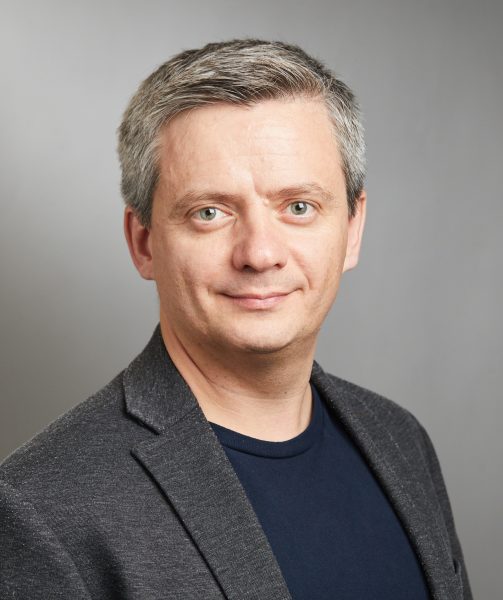
September 2, 2026
Dr. Sviatoslav Bagriantsev
Yale University
Faculty Profile | Lab Website | CV
Time: 10:30 AM
Location: BPB 130
Host: Anastasios Tzingounis
Seminar Title
TBA
Synopsis
Additional information about this seminar will be posted once available.
September 9, 2026
OPEN SPEAKER SLOT
Speaker to be announced.
Time: 10:30 AM
Location: BPB 130
Seminar Title
TBA
Synopsis
Seminar information will be added should a speaker be scheduled.
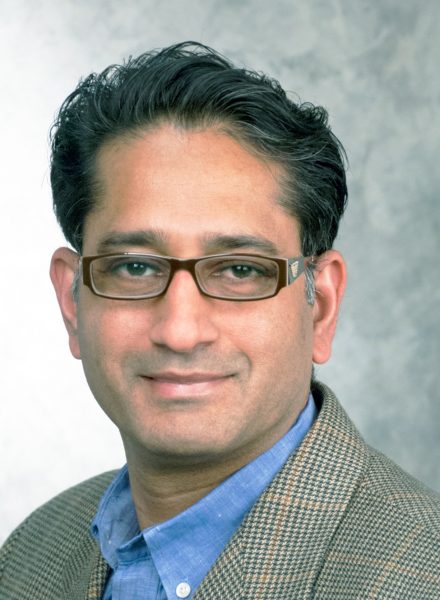
September 16, 2026
Dr. Royce Mohan
UConn Health
Time: 10:30 AM
Location: BPB 130
Host: Georgia Zarkada
Seminar Title
Glial Cells: Informants and Participants in Ocular Injury Response
Synopsis
Additional information about this seminar will be posted once available.
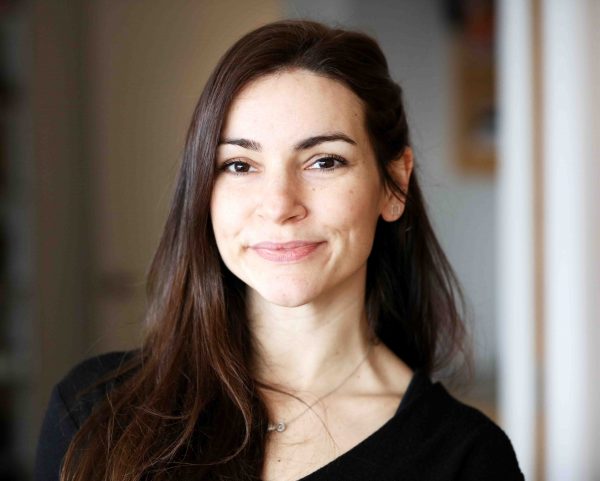
September 23, 2026: RESCHEDULED
Dr. Josefina del Marmol
Harvard Medical School
Faculty Profile | Lab Website | CV
Host: Karen Menuz
This event has been postponed to January 27, 2027
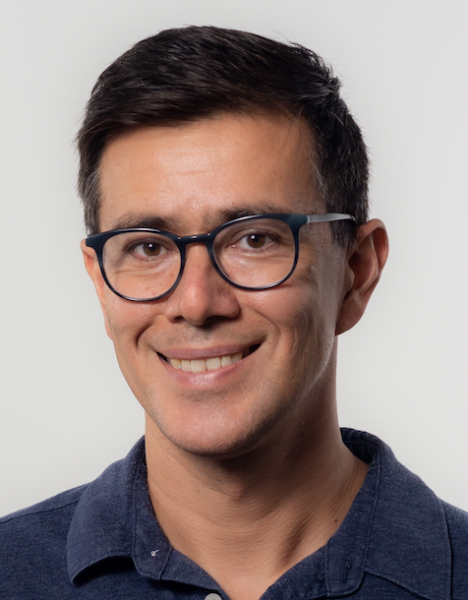
September 30, 2026
_________________________________________________________________________________________________________
Time: 10:30 AM
Location: BPB 130
Host: Karen Menuz
Seminar Title: Leveraging long reads to understand RNA processing in neuronal development
Synopsis
Alternative polyadenylation (APA) is a pervasive co-/post-transcriptional process affecting >70% of human genes, enhancing RNA isoform diversity and regulating mRNA stability, localization, and translation in a spatiotemporal manner. While transcriptome-wide APA analysis in bulk samples has traditionally relied on short-read 3′-end sequencing approaches, these methods lack widespread adoption and resolution of full-length isoforms. Here, we present APALORD (Alternative Polyadenylation Analysis of LOng-ReaDs), a framework for comprehensive APA analysis from long-read (LR) RNA-seq data. Applying APALORD to Oxford Nanopore direct RNA-seq (DRS) data from human embryonic stem cells (hESCs) and hESC-derived neurons, we identify annotated and novel poly(A) sites with high positional accuracy and quantify transcriptome-wide trends in 3′ UTR lengthening during neuronal differentiation. Neurons show increased usage of strong polyadenylation sites enriched for canonical AAUAAA signals, upstream UGUA elements, and downstream GU/U-rich motifs. PAS strength is inversely correlated with the number of sites per gene and positively correlated with gene expression. Extending this approach to developing Drosophila embryos, we identify thousands of novel and highly accurate 3′ end annotations. These results establish APALORD as a powerful tool for dissecting APA regulation at full-length resolution.
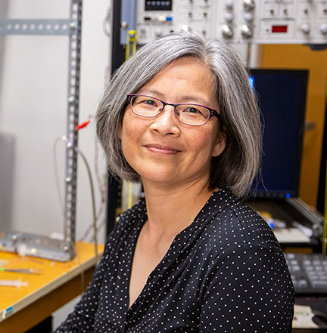
October 7, 2026
_________________________________________________________________________________________________________
Time: 10:30 AM
Location: BPB 130
Host: Anastasios Tzingounis
Seminar Title: KATP channels in metabolic sensing—structural basis of physiology and pathophysiology
Synopsis
KATP channels are unique macromolecular assemblies composed of four pore-forming potassium channel subunits, Kir6.1 or Kir6.2, and four regulatory subunits, SUR1, SUR2A, or SUR2B, which belong to the ABC transporter family. Broadly expressed in many cell types and tissues, KATP channels couple changes in cellular metabolic activity with membrane excitability to control a wide range of physiological processes, from hormone secretion and maintenance of vascular tone to protection of cardiac and neuronal tissues against ischemic injury, as well as learning and memory. Mutations in genes encoding KATP channel subunits are linked to a number of human diseases, including congenital hyperinsulinism, neonatal diabetes, DEND syndrome, and Cantú syndrome. Recent high-resolution KATP cryo-EM structures have revealed complex and dynamic interactions between channel subunits and their ligands. The mechanistic insights provided by these structures offer opportunities to improve KATP pharmacology for diseases caused by channel dysfunction.
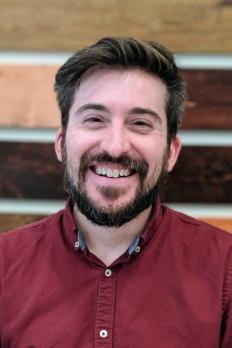
October 14, 2026
_________________________________________________________________________________________________________
Time: 10:30 AM
Location: BPB 130
Host: Scott Rich
Seminar Title: Gating of plasticity by dendritic calcium spikes and its dysregulation in neurodevelopmental disorder
Synopsis

October 21, 2026: RESCHEDULED
Dr. Maya Opendak
Kennedy Krieger Institute
Faculty Profile | Lab Website | CV
Host: Linnaea Ostroff
This event has been postponed to April 7, 2027
October 28, 2026
Dr. Helen Hou
Cold Spring Harbor Laboratory
Faculty Profile | Lab Website | CV
Time: 10:30 AM
Location: BPB 130
Host: Natale Sciolino
Seminar Title
TBA
Synopsis
Seminar information will be added should a speaker be scheduled.
November 4, 2026
Dr. Lylah Deady
Bioscience Sales Specialist at Nikon Instruments
Dr. Megha Sah
Scientist at Waypoint Bio
Time: 10:30 AM
Location: BPB 130
PNB Alumni Career Connection
Description
This date will feature PNB alumni who will present a career-focused seminar.

November 11, 2026
_________________________________________________________________________________________________________
Time: 10:30 AM
Location: BPB 130
Host: Natale Sciolino
Seminar Title: Brain, Breath and Body in Stress and Energy Metabolism
Synopsis
November 18, 2026
SOCIETY FOR NEUROSCIENCE (SfN)
No departmental seminar scheduled.
The Department of Physiology and Neurobiology will be participating in the Society for Neuroscience Annual Meeting.
Event Information
Society for Neuroscience Annual Meeting
Description
No PNB seminar is scheduled this week due to participation in the Society for Neuroscience Annual Meeting.

November 25, 2026
THANKSGIVING BREAK
No departmental seminar scheduled.
The University of Connecticut is observing the Thanksgiving holiday.
Event Information
Thanksgiving Break
Description
No PNB seminar is scheduled this week due to the Thanksgiving holiday.
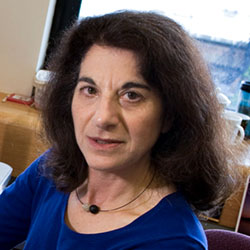
December 2, 2026
Dr. Helen Barbas
Boston University
Faculty Profile | Lab Website | CV
Time: 10:30 AM
Location: BPB 130
Host: Linnaea Ostroff
Seminar Title
TBA
Synopsis
Additional information about this seminar will be posted once available.